
Roof Flashing Repairs
We repair all types of roof flashing and lead flashings, including those around valleys, chimneys, ridges, and more, on your roof in Cork. Free estimates.

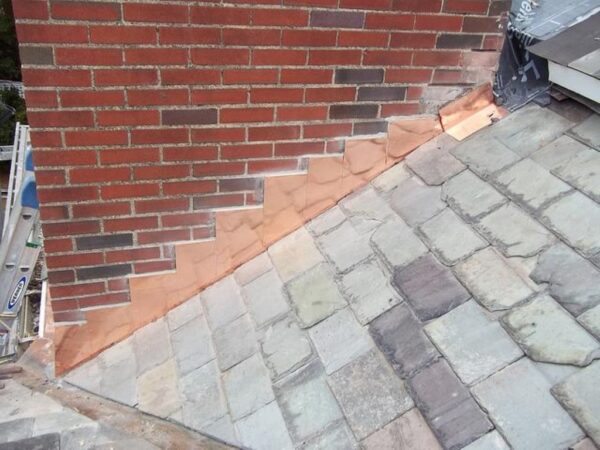
Roof Flashing Repairs Cork
We repair all types of roof flashing and lead flashings, including those around valleys, chimneys, ridges, and more, on your roof in Cork. Free estimates.
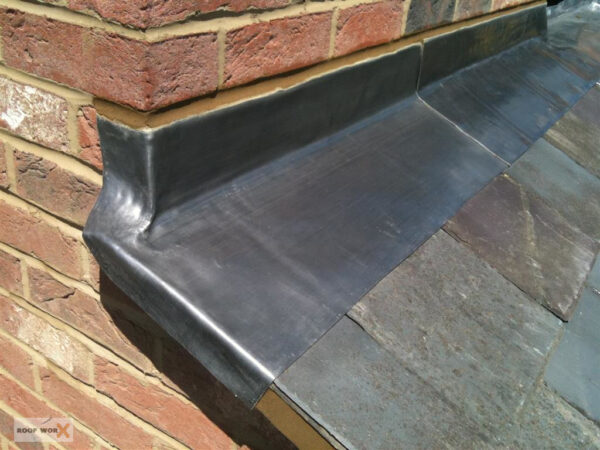 In the often damp and unpredictable Irish weather, your roof is your home's first line of defence against rain, wind, and moisture. But what keeps water from seeping into vulnerable areas like chimneys, valleys, and ridges? The answer lies in roof flashing—specifically, lead flashing, a durable and traditional material widely used across Ireland for its weather resistance and longevity.
At Proven Roofing, we specialise in lead roof flashing repairs and new installations, ensuring your home in Cork stays dry and secure. Whether it's a historic property or a modern build in Cork, our expert team handles all types of lead flashing with precision and care.
Lead flashing has been a staple in Irish roofing for centuries, prized for its malleability, corrosion resistance, and ability to conform to complex roof structures. However, over time, exposure to harsh elements like relentless rain, coastal salt air, and temperature fluctuations can lead to wear and tear. Cracks, corrosion, or improper installation can lead to leaks, structural damage, and potentially costly interior water damage. That's where professional lead roof flashing repairs come in.
Along with flashing repairs, we offer roof leak repair services, chimney repairs and more in Cork.
Types of Lead Flashing on Irish Roofs: What Needs Repair or Replacement?
Every roof is unique, but most feature several types of lead flashing to protect key areas. Below, we break down the common types used in Irish homes, focusing on those prone to needing new installations or repairs. Our team at Proven Roofing inspects these during free estimates to identify issues early.
1. Chimney Lead Flashing
Chimneys are one of the most vulnerable points on any roof, especially in traditional Irish homes with open fires. Chimney lead flashing, often referred to as "step flashing" or "base flashing," wraps around the chimney base where it meets the roof slope. This type seals the gap, preventing water from trickling down into the chimney stack or roof deck.
In Ireland's rainy climate, chimney flashing is exposed to constant moisture and soot buildup, leading to common problems like splitting or lifting. If you notice water stains around your fireplace or damp patches inside, it's likely time for repairs. We use high-grade milled lead (code 5 or 6 thickness, as per BS 5534 standards) for durable installations. New chimney lead flashing might be needed for older homes undergoing renovations, ensuring compliance with Irish building regulations.
2. Valley Lead Flashing
Valleys are the V-shaped channels where two roof slopes meet, directing heavy water flow during periods of heavy rainfall. Valley lead flashing, typically a long, continuous strip of lead laid under the roof tiles or slates, channels water safely away. In Irish roofs, these are critical in pitched designs standard to bungalows and two-story homes.
Over time, debris like leaves and moss—abundant in Ireland's lush environment—can clog valleys, causing the lead to buckle or corrode. Repairs involve cleaning, patching, or complete replacement to prevent backups that lead to overflows and leaks. For new installations, we recommend open valley flashing for improved visibility and easier maintenance, especially in high-rainfall areas such as the coastline.
3. Ridge Lead Flashing (Ridge Capping)
The ridge is the highest point of the roof, where the two slopes converge. Ridge lead flashing, or capping, covers this seam, protecting against wind-driven rain and snow. In Ireland, it's often adorned with decorative rolls for aesthetic appeal on period properties.
Exposure to gale-force winds (up to 100km/h in storms) can loosen or damage ridge capping, allowing water ingress. Signs of wear include lifted edges or visible cracks. Our repair process involves seamlessly soldering new sections to match the original patina, ensuring a cohesive look. For new roofs, we install code 4 lead for lighter applications, ensuring breathability to avoid condensation issues in Ireland's humid air.
4. Apron and Side Abutment Lead Flashing
Abutments occur where the roof meets vertical walls, such as dormers or extensions. Apron lead flashing tucks under the roof covering and over the wall, while side flashing seals the sides. These are essential in Irish semi-detached homes with adjoining walls.
Expansion gaps and settlement can cause these flashings to pull away, leading to leaks. In coastal Cork regions, salt corrosion accelerates damage. Repairs might involve re-dressing the lead (reshaping it to fit snugly) or installing new underlay for added protection. We always ensure a 150mm upstand height to meet Irish waterproofing codes.
5. Other Specialised Lead Flashings
Beyond the basics, Irish roofs often feature pipe flashings (around vent pipes) and gutter flashings (at eaves). These smaller components are equally vital but frequently overlooked until leaks appear. For instance, lead soakers under tiles near skylights prevent capillary action from drawing water upward. In heritage sites across Cork, we replicate traditional "tucked and wedged" methods for authenticity.
Signs Your Lead Flashing Needs Attention
Spotting problems early can prevent escalation. Look for:
- Visible cracks, holes, or tears in the lead.
- Water stains on ceilings or walls below affected areas.
- Moss or algae growth indicates the presence of trapped moisture.
- Lifted or loose sections that flap in the wind.
- Damp smells or mold in attics.
If any of these sound familiar, don't wait—contact Proven Roofing on 087 0690272 for a free inspection in Cork.